
Websites and automation systems for plasterers
You're halfway across a ceiling with a hawk in one hand and a trowel in the other when the phone rings. One system that answers the call, books the quote visit, reminds the customer and follows up, so nothing gets missed while the plaster's going off.
Plasterers on Google in Kent: what we found
We looked at 148 plastering listings across five Kent towns to see what a customer finds when they search for a plasterer. We don't name anyone here.
Where plastering work slips away
A lot of plastering work starts with somebody else's job. The electrician has chased the walls for a rewire, a leak has brought the ceiling down, or the old artex has to go before the room can be decorated. The customer wants it sorted quickly and searches for a plasterer near them. Of the listings we checked, 49 had no website at all, so the customer has a name, a number and a few reviews to go on.
Plasterers also live on word of mouth and local Facebook groups. That works while it works, but a recommendation still ends with the customer looking you up. If there is nothing to find, or the number rings out because you're mid skim, they ask the group again.
What the system does for a plasterer
- The job request form takes photos of the walls and ceilings plus rough room sizes, so you can price a patch or a single ceiling without a visit for every small job.
- A text goes back within seconds when you miss a call, on the System plan, so you don't have to put the trowel down while the plaster is going off.
- A reminder text goes before the start date asking them to clear the room and take the curtains down, so you're not moving furniture before you can start.
- A review request goes after every job, with a nudge if they forget, so your finished rooms start showing up on Google.
Show the finish
A smooth ceiling is hard to describe and easy to show. Your site gets a gallery of your own work, before and after where you have it, plus pages for skimming, ceilings, rendering and patch repairs if you do them, each with the areas you cover.
Can customers send photos so I can price without a visit?
Yes. The job request form takes photos and asks for rough room sizes. For a patch or a single ceiling that is often enough to give a price. For bigger jobs it tells you what you're walking into.
Most of my work comes from builders and other trades. Is this still worth it?
Trade work is steady, but it depends on other people's diaries. A site and a form give homeowners a way to find you directly, and the inbox keeps the trade enquiries in the same place.
I do rendering as well as plastering. Can the site cover both?
Yes. Each type of work you want more of gets its own page, so someone searching for rendering finds your rendering page and someone with a cracked ceiling finds that one.
Worth a read: A Facebook page is not a website · Why your website needs a job request form · How to photograph your work
Other trades: Plumbers · Electricians · Roofers · Builders · Landscapers · Bathroom fitters · Kitchen fitters · Heating engineers · Kent: Medway · Maidstone · Canterbury · Ashford · Tunbridge Wells
Source: our own check of the first 30 Google Maps results for "plasterer" in Maidstone, Canterbury, Ashford, Chatham and Tunbridge Wells on 10 November 2026, with supply shops taken out.
Everything in one system
Eight tools that would normally mean eight logins and eight invoices. Built as one system for plasterers, for one monthly price.
Smart Website
A proper website built for plasterers, so when someone local searches for a skim, a ceiling repair or rendering, they find you and not the plasterer down the road. Built to turn visitors into enquiries, not to win design awards.
Why it matters
Most trade websites are either ten years old or don't exist. Customers check you out online before they ring. If there's nothing there, or what's there looks half-finished, they ring someone else.
See how it worksOnline Job Request Form
A simple form on your site where customers pick the job, from patching a hole to skimming a whole house, and send you photos of the walls. They fill it in at 10pm, you wake up to a job with the pictures and the room sizes already there.
Why it matters
Plenty of customers won't ring. They want to sort things out online, in their own time, without a phone call. If your site can't take a job request, those jobs go to a business whose site can.
See how it worksMissed Call Text Back
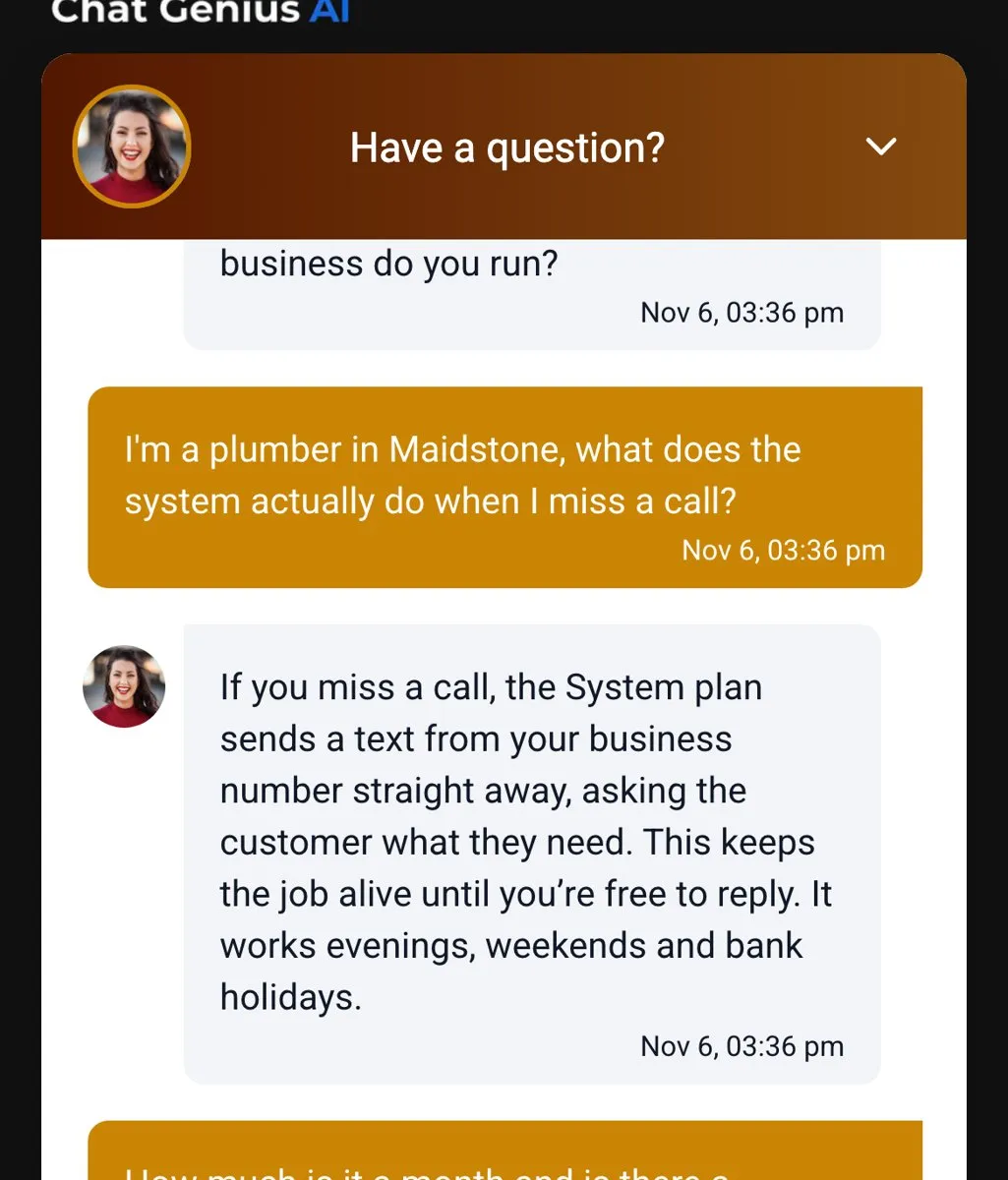
You're mid skim and the plaster won't wait. The phone rings out. Instead of that customer ringing the next plasterer, they get an instant text from you asking what they need. The job stays alive until the wall is done.
Why it matters
A missed call is usually a lost job. Most customers ring the next number on the list within minutes. You never even know what you lost, because they don't leave a voicemail. They just move on.
See how it worksOne Inbox
A photo of a cracked ceiling on WhatsApp, a rendering question on Facebook, a skim job from your website: every message lands in a single inbox on your phone. No more checking five apps, no more finding a three-day-old enquiry sat in Messenger.
Why it matters
Enquiries come from everywhere now: texts, WhatsApp, Facebook, Instagram, your website. Each one is another app to check. The ones you forget to check are where jobs go to die.
See how it worksAI Chat That Books Jobs
When a customer messages about a ceiling and you're busy, the AI replies in seconds, asks which rooms, roughly how big and whether the old plaster is blown, then books the quote visit straight into your calendar. You just turn up.
Why it matters
Answering the same questions forty times a week is a job in itself. And the enquiries that come in while you're working or sleeping are the ones that go cold. The average business takes over 5 hours to respond. By then the customer has hired someone else.
See how it worksReviews On Autopilot
After every finished room or rendering job the customer gets a polite, well-timed request to leave a review, with a follow-up nudge if they forget. The requests go out while you get on with the next job.
Why it matters
Happy customers rarely leave reviews on their own. Unhappy ones always do. Asking face to face feels awkward, so most businesses never ask, and their Google profile stays thin while competitors stack up stars.
See how it worksAutomatic Reminders
Every quote visit and start date gets confirmed by text and reminded before the day, with a note to clear the room and take the curtains down. Customers who need to move a date can say so in advance instead of you turning up to a room full of furniture.
Why it matters
A no-show costs you the slot, the fuel and the job you turned down to be there. Most no-shows aren't rude customers, they're forgetful ones. A reminder the day before fixes most of it.
See how it worksDatabase Reactivation
Every plasterer has a list of old customers and old quotes sat in a phone. We text that list for you with a simple offer, such as a spare day for patch jobs before Christmas, and ask the happy ones for a Google review at the same time. Replies land in your one inbox so the AI can book them in. One campaign, included free when you join System.
Why it matters
Winning a new customer costs money. Waking up an old one costs a text. Most firms never go back to the people who already know and trust them, so the easiest jobs of the year sit in a contacts list doing nothing.
See the plansWhat it looks like
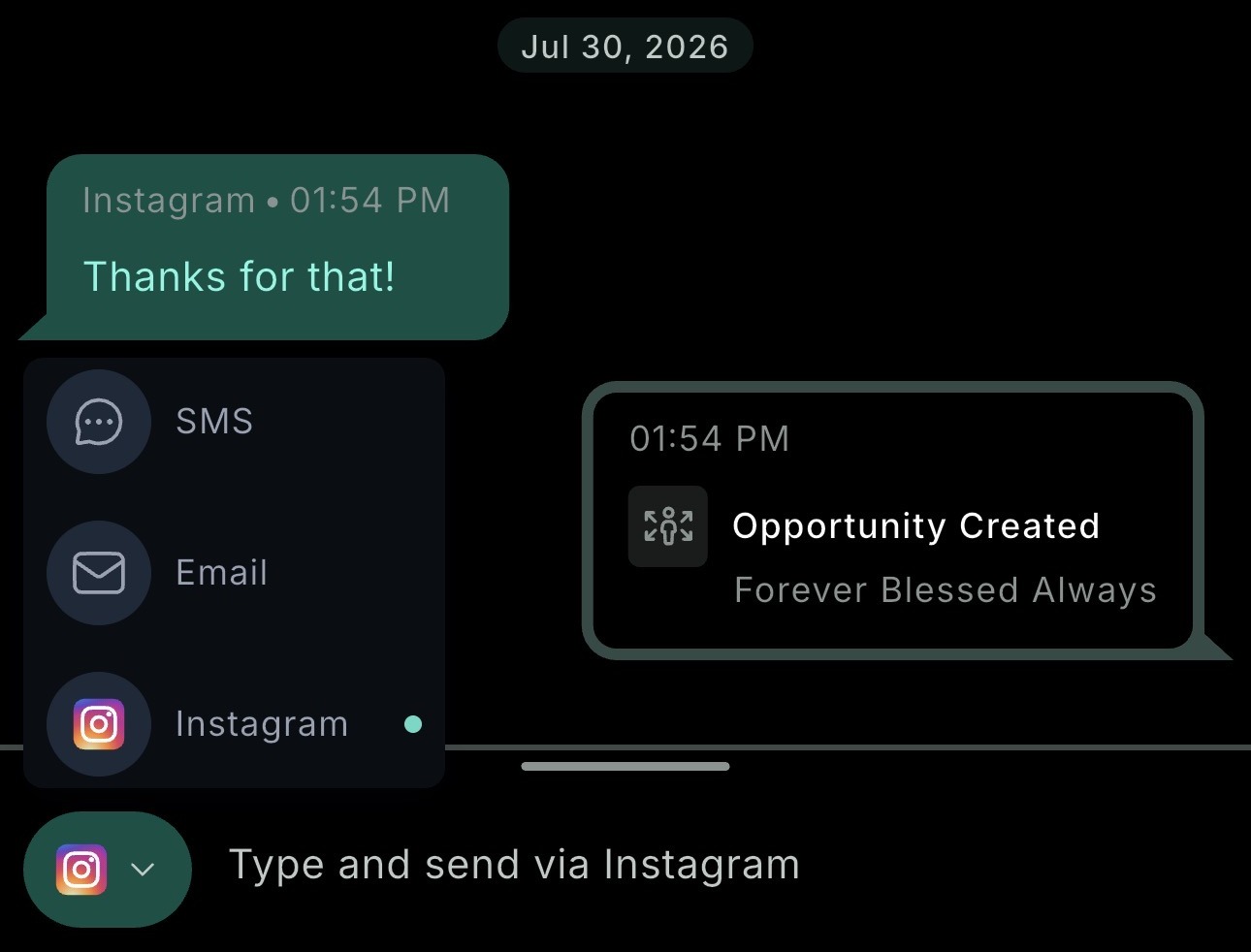
The text your customer gets after a missed call, and the one inbox every message lands in.

What working with us looks like
Three steps. Two short calls. No homework beyond one form.

Step 1
Quick Call
20 minutes
A straight conversation, not a pitch marathon. You tell us how enquiries reach you now and where jobs slip through. We show you the system working live and tell you honestly if it's not a fit.

Step 2
We build everything
7 to 10 days
You fill in one onboarding form about your business. We build your site, connect your number, train the AI on your services and prices and wire up the reminders and review requests. You keep working.
Step 3
Launch call, then it runs
25 minutes
We walk you through the one app you need on your phone, send a test enquiry through so you watch it get answered and booked, then hand you the keys. From that day it works around the clock.
Two Plans. No Setup Fee. No Contract.
Start where it makes sense for your business and upgrade whenever you're ready. Cancel any time.
Both plans come with a 30 day money back guarantee and go live in 7 to 10 days.
Basic
£99 /month
Or £799 a year, save £389
Gets you found on Google and gets the job through the door.
Smart website, so you show up in Google
Online job request form
Missed call text backAI chat that books jobs itselfReviews on autopilotDatabase reactivation campaign
Most Popular
System
£199 /month
Or £1,600 a year, save £788
Everything in Basic, plus this is where it starts running itself.
Everything in Basic
Missed call text back
One inbox for every platform
AI chat that replies and books jobs itself, day or night
Automatic reminders to cut no-shows
Reviews on autopilot
Database reactivation for jobs and reviews, free (worth £500)
Still unsure? Book a quick call first. Twenty minutes, no pressure.
Questions Plasterers Actually Ask
I work on my own. Is this too much for me?
No. It's built for small trades. Basic is a website and a job request form. System adds the part that answers when you're on the trowel and can't.
What happens when someone rings while I'm halfway through a wall?
On the System plan they get a text within seconds asking what they need. The AI can reply, ask which rooms and how big, and offer a quote visit from your calendar.
Can customers send photos of the walls?
Yes. The job request form can take photos, so you can see the blown plaster, the artex or the patch after a rewire before you ring back.
I'm booked up weeks ahead. Does it still help?
Yes. The AI can tell people when you're next free and book the quote visit for then, so they wait for you instead of ringing round. The calendar is set up around how you work.
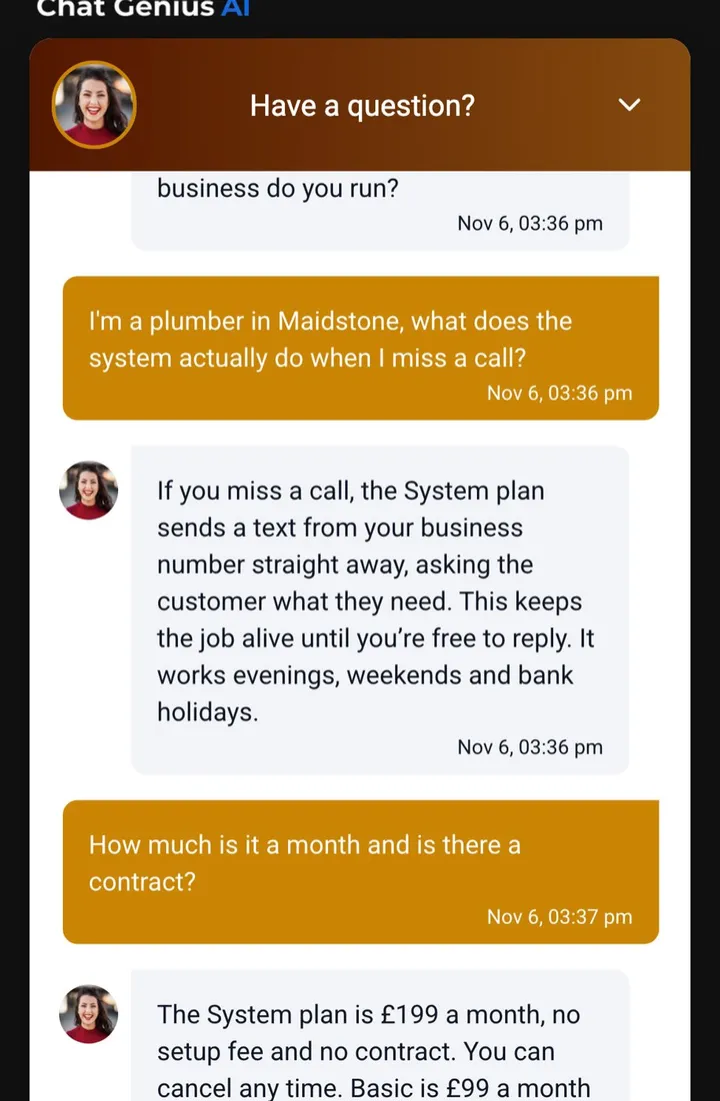
How much is it, and is there a contract?
Basic is £99 a month and System is £199 a month. No setup fee, no contract, cancel any time.
How long until it's live?
7 to 10 days from the onboarding form.
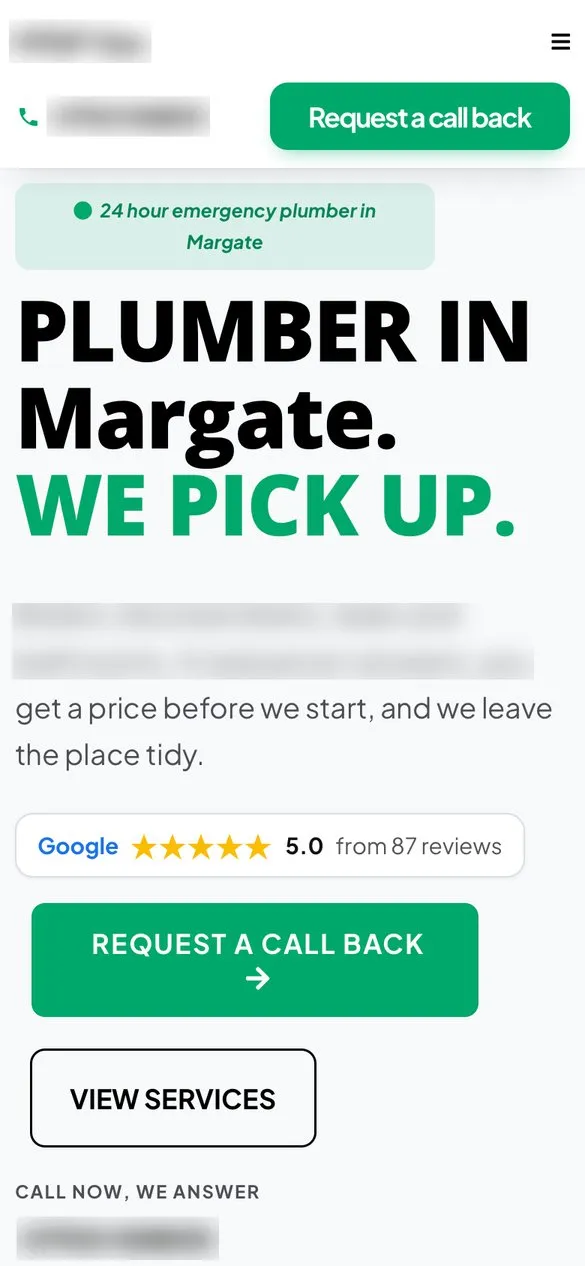
Every trade site is built on the same system
Your name, your areas, your photos, your reviews. Same system underneath, live in 7 to 10 days.


What we actually do all day
Build trade websites, run the same system on our own business and keep the whole thing honest.
What you have at the end
Three things, all yours, all working from day one.
Questions trades ask about one inbox
Which messages land in it?
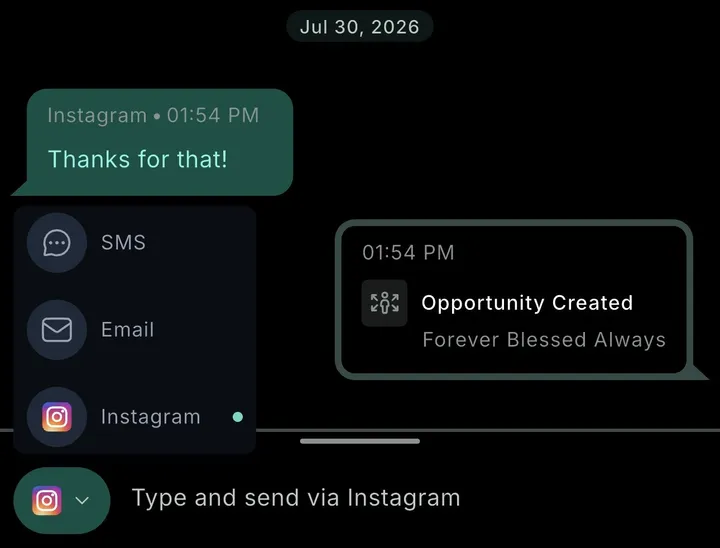
Text messages, email, Facebook Messenger, Instagram messages, the chat on your website and every job request form. One thread per customer.
Is it an app?
Yes, one app on your phone. You reply from there whatever channel the customer used.
Can more than one person use it?
Yes. Your team can share the inbox, see who replied and leave notes on a customer.
What about the missed call texts?
The replies to those land in the same inbox, so a missed call turns into a conversation you can see.
What does it cost?
It's part of the System plan at £199 a month. No setup fee, no contract. If it's not right for you in the first 30 days, tell us and we refund your first month in full. After that, cancel any time.
- Text messages, including replies to the missed call text
- Facebook Messenger
- Instagram messages
- The chat on your website
- Every job request form submission
What automatic review requests actually are
After a job is marked done, the customer gets a short text asking how it went, with a link that opens your Google review box. If they forget, they get one or two polite reminders, and then it stops.
Automatic requests, asking in person or not asking?
| Automatic request | Asking in person | Not asking | |
|---|---|---|---|
| When it happens | Just after every job, every time | When you remember and it doesn't feel awkward | Never |
| How easy it is for them | One tap to your Google review box | They have to find you on Google later | They have to think of it themselves |
| Reminders | One or two, then it stops | Rarely | None |
Asking every customer the same way also keeps you on the right side of Google's rules, which say you shouldn't pick and choose who you ask or offer anything in return.
Who it suits
Trades with plenty of happy customers and not many reviews to show for it. When we checked 147 Kent roofing listings on Google Maps, 59 had fewer than 10 reviews.
How it works for plumbers · electricians · roofers · builders · landscapers · plasterers · bathroom fitters · kitchen fitters · heating engineers
What you need to set it up
- Your Google Business Profile, so the link opens the right review box.
- The wording you want, or we write it with you.
- When a job counts as done, so the request goes at the right moment.
Is it allowed to ask for Google reviews?
Yes. Asking customers for a review is fine. What Google doesn't allow is offering something in return or only asking the happy ones.
Will customers find it pushy?
It's one short text after the job and one or two reminders at most. Most people only need the link put in front of them.
Can I change the wording?
Yes. We write it with you, in your words, and change it whenever you like.
Worth a read: How to get more Google reviews · Google Business Profile checks for trades · Seven free fixes for your trade business
Questions trades ask about reviews on autopilot
What gets sent?
A short text after the job is marked done: thanks for having us, how did we do, with a one tap link to leave a review. If they forget, one polite nudge a few days later.
What if a customer is unhappy?
The first question is how we did. An unhappy answer comes to you privately first, so you can put it right before it goes anywhere public.
Do you write reviews for me?
No. Every review comes from a real customer after a real job. We only make it easy to ask.
Where do the reviews go?
To your Google Business Profile, or Trustpilot or Checkatrade if that's where you collect them.
What does it cost?
It's part of the System plan at £199 a month. No setup fee, no contract. If it's not right for you in the first 30 days, tell us and we refund your first month in full. After that, cancel any time.
What automatic appointment reminders actually do
When a job is booked, the customer gets a text confirming the date and time, then a reminder before you arrive. If they need to move it, they reply, and the reply lands in your inbox.
Automatic reminders or doing it yourself?
| Automatic reminders | Texting them yourself | No reminder | |
|---|---|---|---|
| Confirmation | Sent the moment it's booked | When you get round to it | None |
| Reminder before the visit | Every booking, every time | When you remember | None |
| Rearranging | They reply and it lands in your inbox | They might ring you | You find out on the doorstep |
| What it costs you | Nothing on the day | Time every evening | A wasted trip |
Most people who aren't in when you turn up simply forgot. A text the day before gives them the chance to tell you in time.
Who it suits
Trades who book visits days or weeks ahead, such as quotes, services, installs and regular maintenance. The longer the gap between booking and visit, the more a reminder helps.
How it works for plumbers · electricians · roofers · builders · landscapers · plasterers · bathroom fitters · kitchen fitters · heating engineers
What you need to set it up
- Your calendar, so it knows what's booked.
- When you want the reminder to go, such as the day before.
- Anything the customer should do first, like clearing a room or leaving the side gate open.
Can the reminder include instructions?
Yes. Add anything they should do before you arrive, such as moving the car or clearing space around the boiler.
Can I choose when the reminder goes?
Yes. The day before is the usual choice, but you can pick the timing that suits your jobs.
Does it work for regular customers?
Yes. Repeat visits, such as maintenance rounds, get a reminder before each one.
Worth a read: Stop no shows · One inbox for trades · Database reactivation for trades
Questions trades ask about automatic reminders
What texts go out?
A confirmation the moment the job is booked, then a reminder before the appointment with the date, time and your name.
Can the customer move the appointment?
Yes. They reply to the text and the new time lands in your inbox, instead of them just not being in when you turn up.
Can customer service automation handle seasonal volume spikes?
Yes. The system confirms, reminds and answers whether you have three jobs a week or thirty, which is the point in a cold snap or a heatwave.
Does it work with my calendar?
Yes. Bookings sit in the calendar in the app and sync with Google Calendar.
What does it cost?
It's part of the System plan at £199 a month. No setup fee, no contract. If it's not right for you in the first 30 days, tell us and we refund your first month in full. After that, cancel any time.
Questions trades ask about missed call text back
What is missed call text back?
When a call to your business rings out, the system sends the caller a text from your business number within seconds. It says you're on a job, asks what they need and gives them a link to book. Their reply lands in your inbox.
How fast is it?
Seconds. The text goes the moment the call is marked as missed, before you've climbed back down the ladder.
Do I keep my number?
Yes. You keep your number and your phone. We add a business number the texts go out from, or set your existing number to forward missed calls to it. Nothing changes for your customers.
What does it cost?
It's part of the System plan at £199 a month. No setup fee, no contract. If it's not right for you in the first 30 days, tell us and we refund your first month in full. After that, cancel any time.
What if the customer rings back?
You take the call as normal. The text thread stays in your inbox, so you can see what they told the system before you pick up.
Does the text go to everyone?
Any call that isn't answered gets it, apart from numbers you tell us to leave alone, such as suppliers or family.
What your own numbers say
Three figures from your week. Your own numbers, nothing else.
Calls missed × job value × the share you would have won. A month is 4 weeks, a year is 12 months. These are your figures, not a promise of what any system recovers.
Questions trades ask about the Smart Website
What does the Smart Website include?
A website built for your trade: your services, your areas, your photos and reviews, a tap to call button on every screen and an online job request form. Hosting and changes are included in the monthly price.
How long until it is live?
Seven to ten days from your onboarding form. You see a preview before anything goes live.
Do I own the website?
You use it for as long as you're with us and if you leave you can buy the site outright for £500 and keep it.
Can I change things later?
Yes. Send us the change and we make it. Changes and hosting are part of the plan, not an extra.
Will it help me show up on Google?
It's built so Google can read it properly, with a page for each service and area and we set up your Google Business Profile alongside it. We don't promise rankings, nobody honest can.
What does it cost?
£99 a month on the Basic plan, or £799 a year. No setup fee, no contract. If it's not right for you in the first 30 days, tell us and we refund your first month in full. After that, cancel any time.
What an online job request form actually is
A form on your website where the customer picks the job, adds the details and photos, and sends it to you. It's a quote request without the phone call, so it still works at 10pm when you'd never pick up anyway.
A job request form, a contact form or just a phone number?
| Job request form | Basic contact form | Phone number only | |
|---|---|---|---|
| What you get | The job, the postcode, how soon and photos | A name and a message | Whatever you remember from the call |
| When it works | Any time, even while you're on a job | Any time | Only when you can answer |
| Sorting the work | Job options you control | Anything at all | Every call, wanted or not |
| What happens next | It reaches you straight away. On System it sits in your one inbox | An email you have to find | You ring back when you can |
The point is that the request arrives with what you need to price it. You decide whether it's worth a visit before you've spent any time on it.
Who it suits
Trades who can price from a description or a few photos, such as patch repairs, small plumbing jobs, roof repairs or fencing. It also suits anyone whose customers would rather not ring.
How it works for plumbers · electricians · roofers · builders · landscapers · plasterers · bathroom fitters · kitchen fitters · heating engineers
What you need to set it up
- The jobs you want the form to offer, and the ones you don't.
- The questions you'd ask on the phone, such as the property type or how urgent it is.
- How you want to hear about new requests.
Can I choose which jobs it offers?
Yes. You pick the job options customers see, so you only get requests for work you actually want.
Does it work on a phone?
Yes. Most people fill it in on their phone, so it's built for that first.
Can I change the questions later?
Yes. Tell us what to change and we change it. Every trade gets questions that fit its own jobs anyway.
Worth a read: Why your website needs a job request form · Send the quote from the van · Seven free fixes for your trade business
Questions trades ask about the job request form
What is the online job request form?
A short form on your site where a customer picks the job, adds a few details and photos and sends it. It lands in your inbox as a job request with everything attached.
What happens when someone fills it in?
You get it on your phone straight away. On the System plan the AI replies, asks anything missing and books it into your calendar. On Basic you reply yourself.
Can customers send photos?
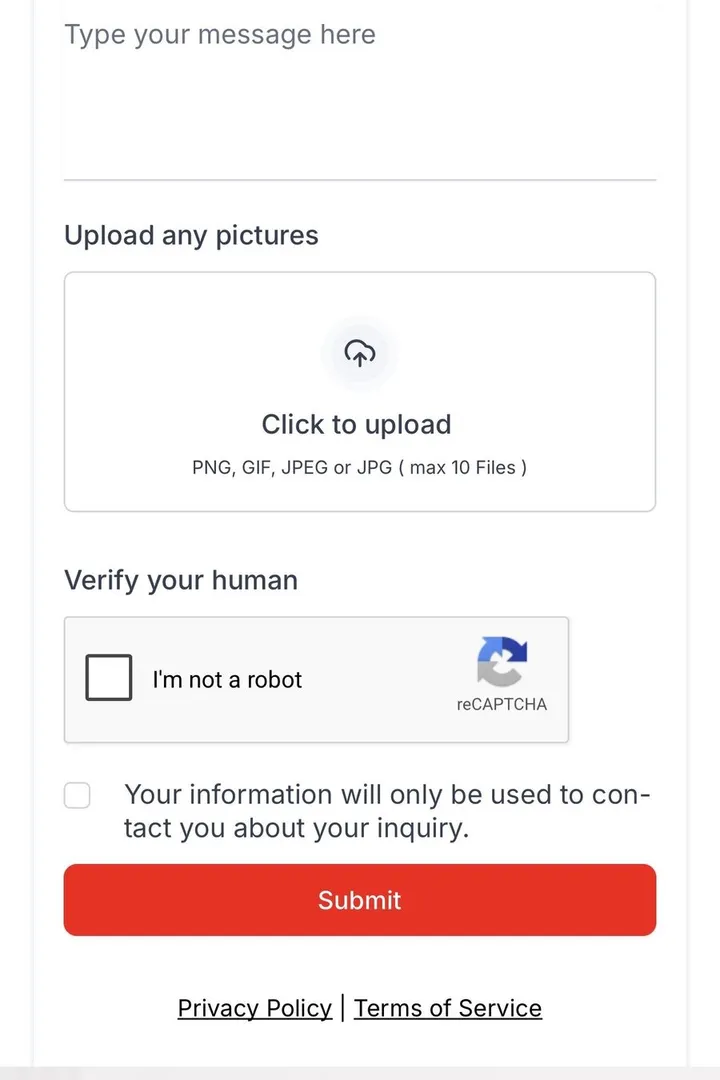
Yes, up to ten per request. A photo of the fault saves a visit to quote.
Does it replace phone calls?
No. It catches the people who would rather not ring, often at night. The phone still works as it always did.
What does it cost?
It's included in the Basic plan at £99 a month and in System at £199. No setup fee, no contract. If it's not right for you in the first 30 days, tell us and we refund your first month in full. After that, cancel any time.
What an AI chat that books jobs actually does
It's a chat on your website and in your messages that answers enquiries when you can't. It's set up on your services, your area and your prices, asks the questions you would and offers real times from your diary.
An AI chat that books, a plain chatbot or replying yourself?
| AI chat that books | Plain chatbot | Replying yourself | |
|---|---|---|---|
| When it replies | In seconds, day or night | In seconds, from a fixed script | When you get a minute |
| What it knows | Your services, area and prices, as you set them | Only its script | Everything |
| Booking | Offers real times from your calendar | Usually hands over a form | You check the diary and text back |
| Prices | Only says what you tell it to say | Depends on the script | You price it |
It won't send anyone a quote. It asks what the job is and where, books a time and leaves the pricing to you, unless you tell it to give a rough guide for common jobs.
Who it suits
Trades who get the same questions every week: do you cover my area, how soon can you come, roughly what does it cost. It also suits anyone whose enquiries come in at night.
How it works for plumbers · electricians · roofers · builders · landscapers · plasterers · bathroom fitters · kitchen fitters · heating engineers
What you need to set it up
- Your services, the areas you cover and anything it should never say.
- Your calendar and the times you want it to offer.
- A test with you before it goes live, so you can see how it answers.
Can I take over a conversation?
Yes. Every chat is in your one inbox, and you can jump in whenever you like.
What if it doesn't know the answer?
We set it up to hand the question over to you rather than guess. You pick it up from your inbox.
Can I try it first?
Yes. The chat on this site is the same AI, doing its job for us. Ask it anything you would ask about your own business.
Worth a read: The fastest reply wins the job · One inbox for trades · Stop no shows
Questions trades ask about the AI chat
What does the AI actually do?
It answers the chat on your site and your messages when you're busy, asks the questions you'd ask and books the job into your calendar. It works evenings, weekends and bank holidays.
Can AI handle lead intake and booking at scale for a growing business?
Yes. It answers every conversation at the same time, qualifies each one against the rules you set and books into the slots you've opened. Three enquiries a day or thirty, the customer gets the same reply in seconds.
Will it sound like a robot?
It's written in your words, with your prices and your areas. When something is outside what it knows, it hands over to you instead of guessing.
Can it quote prices?
Only the prices you give it. If you quote on site, it says so and books the visit.
What does it cost?
It's part of the System plan at £199 a month. No setup fee, no contract. If it's not right for you in the first 30 days, tell us and we refund your first month in full. After that, cancel any time.
Questions trades ask about database reactivation
What is a database reactivation campaign?
A short, polite text to your old customers and old quotes with one clear offer, sent in small batches. The replies land in your inbox and the system books the job.
How do I run a database reactivation campaign with AI for my business?
You give us the list, or export it from your phone. We write the message with you, the system sends it in batches and the AI answers the replies and books them. You watch the diary fill.
What is the best slow season campaign for a trade?
A text to past customers offering the service they'll need before the season turns, a boiler service before winter, gutters before autumn, a garden tidy before spring. Sent a few at a time so you can keep up.
Is it spam?
No. It goes to people who have used you or asked you for a price, from your own number, with a reply STOP line on every message.
What does it cost?
One campaign is free with the System plan, worth £500 on its own. No setup fee, no contract. If it's not right for you in the first 30 days, tell us and we refund your first month in full. After that, cancel any time.
Before you sign up
30 day money back guarantee. If it's not right for you in the first 30 days, tell us and we refund your first month in full. After that, cancel any time.
If you cancel later. No further payments are taken after the current month. The automation switches off, your content and reviews stay yours and you can buy the site outright for £500 if you want to keep it.
No setup fee. £99 or £199 a month, or £799 and £1,600 a year, and that is the lot.
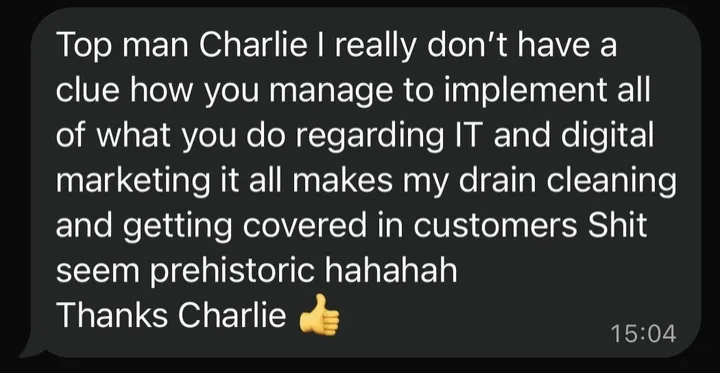
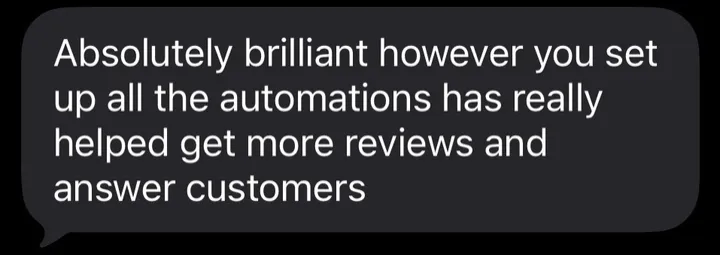
Straight off Charlie's phone
Real messages from past clients.
Never Leave A Missed Call Hanging Again
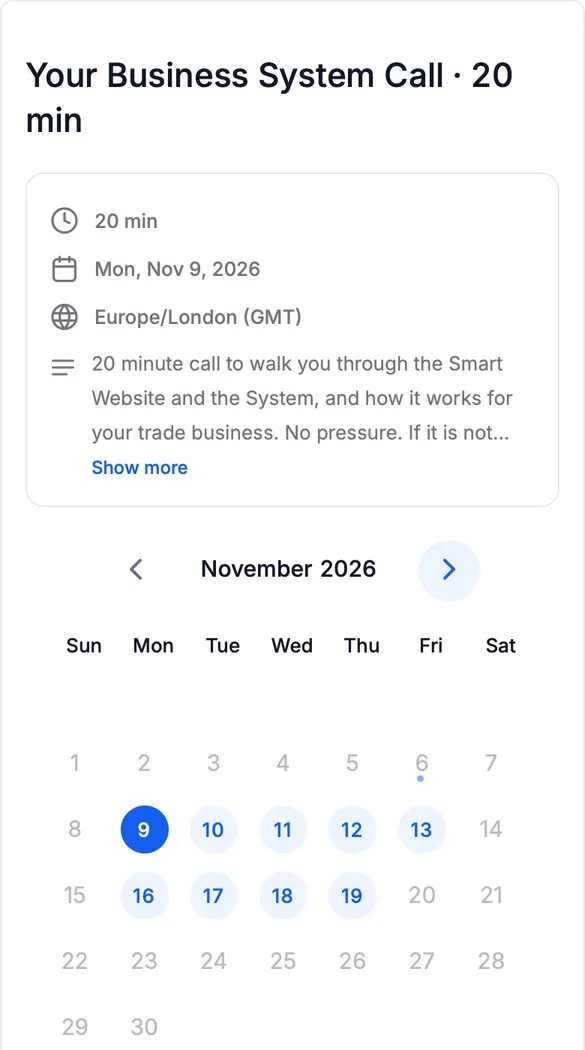
Twenty minutes, no pressure. If it's not right for your business we'll tell you on the call.